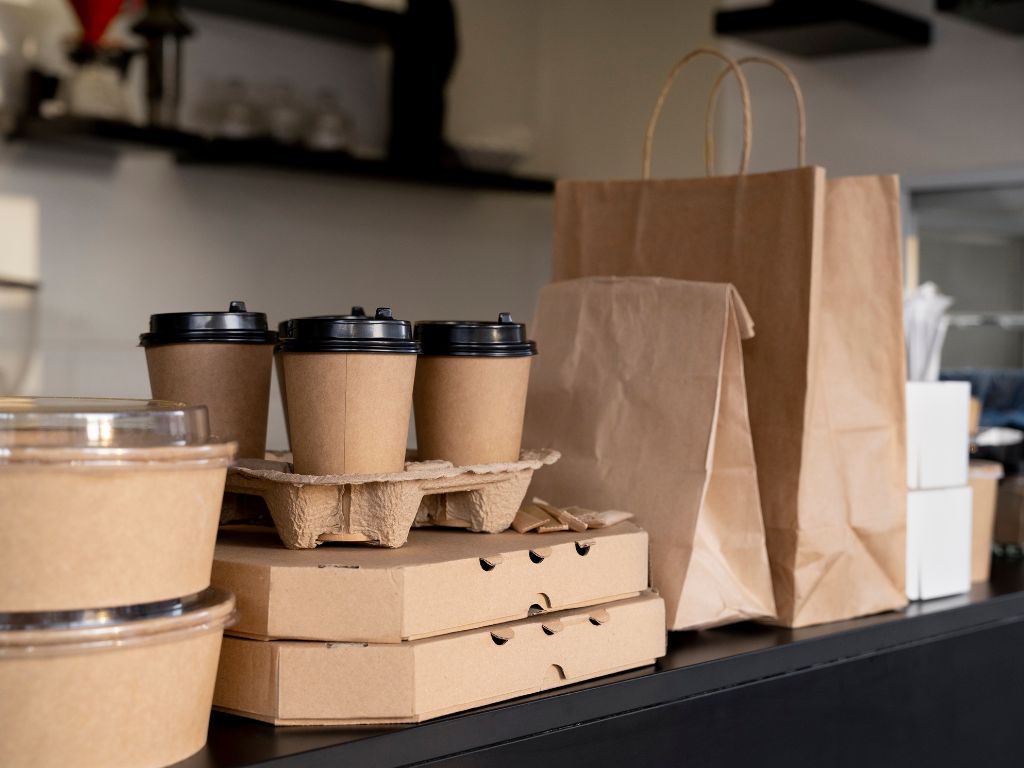
When it comes to takeaway, delivery or street-food service, the packaging you choose is more than just a container—it’s part of the customer experience, your brand identity and your sustainability credentials. Choosing the right takeaway packaging boxes means balancing durability, food safety, convenience, customization and eco-responsibility. In this article we’ll explore the key types of packaging boxes that restaurants and food-service businesses should prioritise, what to look for, and how they can support your brand.
One of the most versatile choices for hot or cold foods is a sturdy cardboard or kraft-paper meal box. These boxes are widely used in Europe for delivery and take-away because they are:
Made from recycled or responsibly sourced fiber (FSC certified) and are more easily recyclable than plastic-coated materials.
Available in multiple sizes and styles (windowed, sealed, shallow, deep) depending on the food item (salad, burger, bowl, etc.).
Customisable: You can print your logo or brand visuals using eco-friendly inks or minimal designs to enhance brand visibility.
What to check for: Food-safe coating or seal (if wet or saucy foods), compatibility with delivery logistics (stackable, leak-resistant), and certified recyclability.
For certain foods—salads, sushi, desserts or layered items—presentation matters. That’s where boxes with transparent lids or windows come in. For example, cardboard salad containers with a PLA window combine eco credentials with clear display.
They allow your customer to preview the food without opening the box, enhancing perceived freshness and trust.
What to consider: Ensure the window material is compostable or recyclable, and the box is still fully food-safe and leak-resistant.
Branded paper bags and bag-style food packaging are essential for take-away menus. A well-branded paper bag becomes a mobile piece of marketing. Custom printed bags turn packaging into a walking ad.
What to ensure: Use paper sourced from responsibly managed forests (look for FSC or PEFC certifications), minimal plastic coatings, and ensure the bag size fits your typical order sizes to avoid over-packaging.
For restaurants or food-service providers that want to go a step further, boxes made from bio-based or moulded fibre with no polyethylene (PE) coating are gaining ground. These are increasingly available in Europe, where bans on certain single-use plastics are creating demand for them.
What to assess: Availability of local industrial composting facilities (if compostable), clarity of disposal instructions for customers, and overall cost-effectiveness versus standard cardboard.
Brand Visibility & Identity: Packaging is one of the first physical touchpoints a customer has with your brand. Well-designed boxes or bags become part of the experience and imprint your brand visually.
Sustainability Credentials: With growing consumer awareness, using recyclable or compostable boxes supports your eco-brand positioning and shows commitment to doing better.
Operational Efficiency: Right-sized, sturdy boxes reduce damage, returns, waste and logistic costs. Good packaging design can save cost long term.
Compliance Readiness: If your region is phasing out or restricting plastics or poorly recyclable materials, choosing the right packaging now helps future-proof your business.
Identify the typical food items you serve (salads, burgers, hot meals, desserts) and the delivery or take-away context.
Choose materials with appropriate certifications (FSC, recycled content, compostable, PE-free).
Consider branding: select boxes that provide surfaces for logos or messages, but maintain food-safe integrity.
Ensure the size, lid design, barrier properties (for moisture/heat) suit your food. KRAFT boxes with minimal coatings are ideal for dry-to-semi-wet foods; laminated options may suit very saucy meals.
Work with a supplier who can custom-print and deliver flat packs, and offer competitive MOQs for smaller venues.
Evaluate disposal: Ask if the box is recyclable in local systems, or compostable—if so, ensure clear disposal instructions for customers.
Selecting the right packaging boxes isn't just about function—it’s an opportunity to elevate your brand, reinforce your values and deliver a consistent, positive customer experience. By focusing on recyclable fibre boxes, display-friendly window boxes, branded paper bags, PE-free compostable options and delivery-optimised formats, restaurants and food-service operators can make packaging work harder—both operationally and strategically.
At MBA Green, we offer a curated range of sustainable, high-performance packaging boxes designed for food-service, take-away, delivery and retail. From custom printing to eco-materials and logistics-friendly formats, we help you turn every order into a brand moment.
Racontez-nous votre développement, on s'occupe du packaging.
Parler à l'équipe